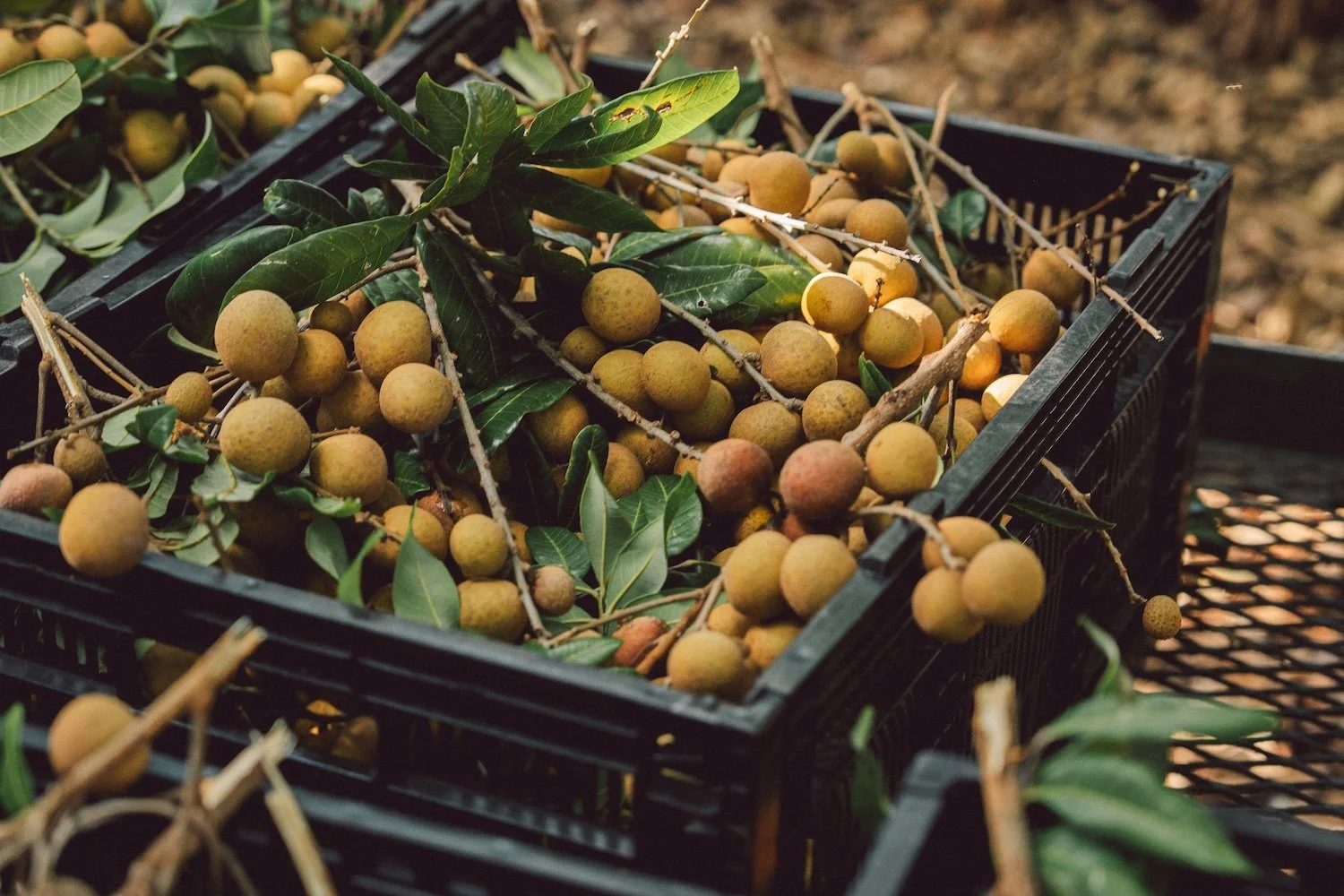
Walk down any supermarket aisle today, and you’ll notice a quiet revolution. The once-familiar landscape of apples, oranges, and grapes is now sharing shelf space with dragon fruit, rambutan, and organic ginger.
This shift isn’t just about variety — it’s about vision. Retailers across the U.S. are expanding their tropical lines because exotic produce represents the future of fresh food retail. And at the center of this movement stands Ecoripe, a leader in imported fruits wholesale that’s helping supermarkets differentiate their offerings while staying rooted in sustainability and culture.
The Shifting Landscape of Produce in the U.S.
From Familiar to Flavorful: The Rise of Imported Fruits Wholesale
In the past five years, the U.S. has seen a remarkable 30% growth in tropical produce imports, driven by a surge in consumer curiosity and multicultural influence.
Shoppers are no longer satisfied with conventional produce — they’re seeking authenticity, discovery, and health benefits. This has made imported fruits wholesale not just a sourcing strategy but a retail growth engine.
Supermarkets that once relied on the “big five” — apples, bananas, oranges, berries, and grapes — are now creating sections dedicated to global flavor journeys, powered by fruits like dragon fruit, rambutan, star fruit, and tamarillo.
Cultural Diversity Is Reshaping the Produce Aisle
The U.S. population is more culturally diverse than ever. Cities like Miami, Los Angeles, and Houston are melting pots of flavors and traditions.
Retailers serving these communities understand that authenticity sells — not just through taste but through storytelling.
At Ecoripe, we see this every day: stores that introduce culturally rooted fruits don’t just attract new customers — they build loyalty through belonging.
Exotic vs. Conventional Produce: What’s the Real Difference?
Conventional Produce: Familiar but Saturated
Conventional fruits and vegetables form the backbone of American produce sections. They’re consistent, familiar, and easy to source — but they’re also competitive and low-margin.
Price wars among retailers often reduce profitability, leaving little room for brand differentiation. In contrast, exotic fruits offer a premium experience that can transform how customers perceive your store.
Exotic Produce: High Value, High Curiosity
Exotic fruits such as cherimoya, longan, and white guava attract shoppers with their color, shape, and origin stories. These aren’t just items on a shelf — they’re conversation starters.
Consumers perceive them as fresh, natural luxuries — indulgences that align with wellness and cultural exploration. As a result, exotic fruits command higher price points, better margins, and increased basket value.
Economic and Brand Advantages of Produce Differentiation
Differentiation is more than marketing — it’s strategy.
By partnering with a tropical produce wholesale supplier like Ecoripe, retailers unlock three key advantages:
Margin Growth: Exotic produce carries premium pricing with consistent turnover.
Customer Retention: Shoppers return for unique, seasonal, and authentic offerings.
Brand Perception: A store known for diversity and freshness builds trust and distinction.
Top Exotic Fruits Driving Retail Growth in the U.S.
Dragon Fruit, Rambutan, and Longan: The Visual Showstoppers
These three are redefining shelf appeal. Dragon fruit’s vivid color, rambutan’s playful spikes, and longan’s smooth golden shells attract attention instantly.
They’re perfect for seasonal displays, cross-merchandising with beverages and desserts, and attracting impulse buyers.
Organic Ginger and Star Fruit: Functional Meets Exotic
As wellness becomes mainstream, organic ginger has evolved from a niche spice to an everyday essential. Pairing it with star fruit, rich in vitamin C, allows stores to market both health and flavor in one aisle.
Retailers who promote these as “natural immune boosters” see strong performance during winter and flu seasons.
Cherimoya and White Guava: Connecting Cultures Through Flavor
Every bite of cherimoya tells a story of tropical heritage, while white guava bridges Latin American and Asian culinary traditions.
These fruits appeal to nostalgic shoppers longing for the tastes of home, and to curious food lovers exploring new textures. For retailers, they’re a bridge between generations and cultures.
Why Retailers Are Partnering with Ecoripe for Imported Fruits Wholesale
Sustainability That Sells: Conscious Consumers, Conscious Retailers
Modern shoppers care about sourcing. They want to know their fruit supports the planet and the people who grow it.
Ecoripe ensures ethical farming practices, fair trade, and reduced environmental impact. When you stock Ecoripe fruits, you’re offering more than produce — you’re sharing purposeful nourishment.
Seamless Import Logistics and Quality Assurance
From harvest to delivery, Ecoripe manages every step with precision.
Our global supply chain ensures fresh, traceable produce that meets the highest standards of quality. For retailers, this means consistent availability and zero hassle — so you can focus on what matters: your customers.
Storytelling as a Differentiator in Produce Marketing
In a market flooded with similar products, stories sell.
Ecoripe helps retailers turn produce into narratives — from “the farms of Ecuador” to “the hands that pick our dragon fruit.”
We provide marketing assets, product education, and cultural context that elevate customer engagement and build trust.
Frequently Asked Questions (FAQs)
1. How can exotic produce improve my store’s profitability?
Exotic produce offers higher margins, attracts new customer segments, and strengthens brand differentiation — especially when sourced sustainably.
2. What are the most popular imported tropical fruits in the U.S.?
Dragon fruit, rambutan, longan, star fruit, and organic ginger currently lead sales across both mainstream and specialty retailers.
3. Does Ecoripe offer logistics support for supermarkets?
Yes. Ecoripe provides a complete cold-chain distribution system and flexible delivery options nationwide.
4. Are exotic fruits harder to maintain or store than conventional ones?
Not with Ecoripe. Our packaging and transport methods preserve quality, extending shelf life for optimal display.
5. Can Ecoripe help with product education or in-store promotion?
Absolutely. We offer storytelling content, recipe ideas, and display recommendations to help retailers engage customers.
6. Is there a minimum order quantity for wholesale buyers?
Order minimums depend on the product and region, but we offer scalable solutions for both boutique markets and national chains.
Bringing Connection and Value to Every Aisle
The produce aisle is evolving — and with it, the way consumers connect to food.
Retailers who embrace exotic and imported fruits wholesale aren’t just keeping up with trends; they’re leading a cultural movement.
At Ecoripe, we believe every fruit is a bridge — between farmers and families, between cultures and communities. By expanding your tropical line, you’re not just growing your business — you’re helping grow a world more connected through flavor.
Partner with Ecoripe — your trusted tropical produce wholesale supplier.